


Professional Bed Bug Treatment: Why Specialized Biology Makes Infestations Difficult to Control
Updated: Feb 9
In the discipline of Integrated Pest Management (IPM), the Common Bed Bug (Cimex lectularius) represents the pinnacle of cryptic evolution. While our spring series has focused on the "Biological Awakening" of the landscape, bed bugs are unique "Invisible Invaders" that thrive in the stable, year-round micro-climates of our homes.
This guide answers the common question: Why are bed bugs so hard to treat? By examining their biology and contrasting two real-world Central Ohio case studies, we illustrate how the 3.S Protection Strategy provides a permanent solution where traditional sprays often fail.
Specialized Biological Adaptations Explain Why Bed Bugs Are So Difficult to Treat
To understand why professional intervention is required, one must first look at the bed bug's evolutionary toolkit. These pests are not simply "dirty" or "nuisances"; they are biological specialists.
Thigmotactic Harboring: Bed bugs are positively thigmotactic, meaning they have an innate drive to squeeze into the tightest possible crevices. This allows them to hide in microscopic structural voids—behind baseboards, inside electrical outlets, and within the internal frames of furniture—where standard surface sprays cannot reach.
Metabolic Resistance: Over decades of exposure to retail pesticides, bed bugs have developed significant metabolic resistance to pyrethroids (the active ingredient in most DIY sprays). Using these products often causes "Colony Fragmentation," where the pests detect the repellent and scatter deeper into the home's structure.
Dormancy and Reproduction: Bed bugs can enter a state of semi-dormancy, surviving for months without a blood meal. When they do feed, their reproductive cycle is explosive; a single survivor can restart an infestation within weeks.
Resilient Egg Incubation Cycles: Bed bug eggs are shielded by a protective casing and typically incubate for 5 to 25 days depending on the micro-climate of the home. Most over-the-counter treatments lack the residual longevity to remain active throughout this entire window. Consequently, while a DIY spray may kill active adults, it fails to neutralize the nymphs that emerge weeks later, leading to a perpetual cycle of re-infestation.

Central Ohio Field Notes Contrast Early Intervention with DIY Failure Risks
The success of a Professional Bed Bug Treatment in Central Ohio is often determined by how long the infestation was allowed to grow undisturbed.
Scenario A: Early Detection Neutralizes the Colony Before Migration
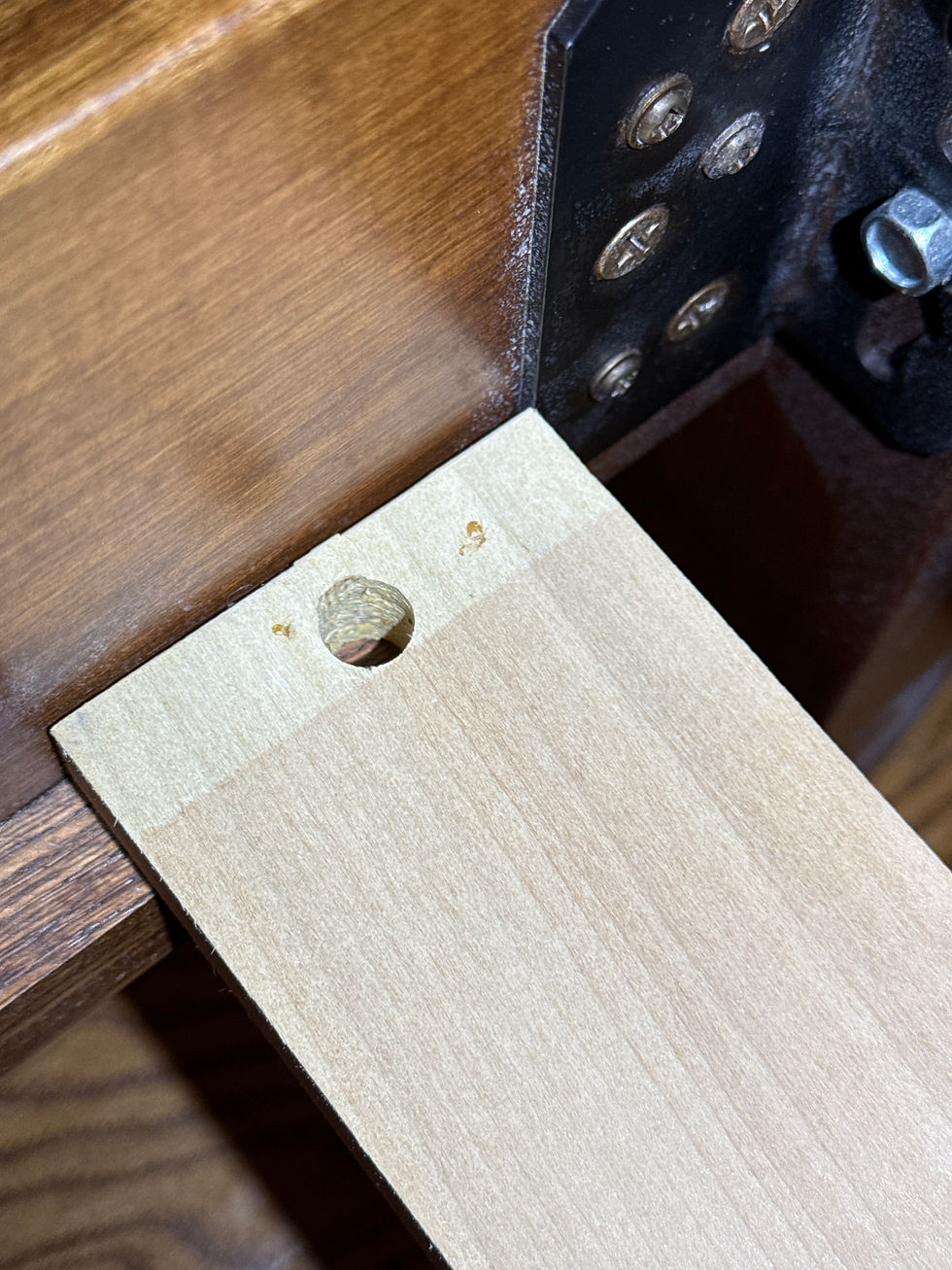
In a recent Mount Vernon case, a family identified a single bed bug after noticing blood spots on their linens. During our inspection, we identified a relatively small infestation, primarily located within the hardware of the bedframe. By calling Home Guard IPM immediately, we were able to intercept the colony while it was still localized to the bed frame. We applied a surgical Aprehend treatment, utilizing the pest’s own movement to spread the bio-active agent. The infestation was fully neutralized within 30 days with zero migration to other rooms.
Scenario B: DIY Treatment Attempts Facilitate Deep Structural Infestation
In a contrasting Westerville case, a homeowner spent six months using retail "bed bug killers" from Amazon. The repellent nature of these sprays drove the bed bugs out of the bedroom and into the living room couch and floor joists. Because the homeowner waited, the structural load was significantly more substantial, requiring a high-intensity HEPA-vac physical removal process to de-bulk the population. Despite the increased density and fragmentation of the colony, a single, professionally applied Aprehend application successfully reached the pests in their new harborages and neutralized the infestation.

Specialized Materials and Labor Requirements Define Professional Treatment Costs
Why are bed bug treatments so expensive? Homeowners often compare professional rates to the cost of a $20 bottle of spray. However, expert remediation is an intensive technical service driven by three factors:
Bio-Active Chemistry: Home Guard IPM utilizes Aprehend, a specialized fungal biopesticide (Beauveria bassiana) that stays active for up to 90 days. It is a premium material that kills bed bugs by contact and colony-wide transfer.
Intensive Diagnostic Audits: We don't just "spray"; we perform a thorough inspection of bed bug hotspots, not just looking for signs of mature bed bugs, but for the much smaller nymphal stages that are easily missed by an untrained eye.
High-Tech Equipment: The use of professional-grade HEPA-vacuums ensures we physically remove as many bugs and eggs as possible without aerosolizing allergens into your air.
The 3.S Protection Strategy Leverages Modern Biology to Restore Your Home
Home Guard IPM has modernized the treatment protocol to ensure minimal impact on our clients’ lives. Our process does not require "Preparation Fatigue"—you don't have to live out of trash bags or launder every piece of clothing you own.
Smarter: Bio-Active Transfer Utilizes Natural Movement for Total Neutralization
Our "Smarter" pillar uses the bed bug's biology against it. Aprehend creates a barrier that bed bugs must cross to feed. Once they touch it, they carry fungal spores back to their hidden harborages, infecting the rest of the colony through physical contact. This "Trojan Horse" effect reaches the pests hidden deep in your walls.

Safer: Targeted Low-Volatility Treatments Protect the Living Environment
Our "Safer" commitment focuses on family health. Aprehend is non-volatile and low-odor. We apply it to the "Tactile Highways" where bed bugs must travel, ensuring the treatment is effective against the pest while remaining away from human contact points.
Stronger: HEPA-Vac Population Reduction Re-establishes Structural Integrity
The "Stronger" defense involves the immediate physical removal of the biological load. We use HEPA-vacuums to suck up live adults and eggs instantly. This mechanical de-bulking, combined with our long-term residual barriers, ensures your home transitions from infested to fortified in the shortest time possible.
Technical FAQ: Understanding the Mechanics of Professional Bed Bug Treatment
Q: If I see one bed bug, do I have an infestation?
A: Usually, yes. Because bed bugs are cryptic, seeing one in the open often suggests that the hidden harborages are already reaching capacity.
Q: Why don't I have to wash all my clothes?
A: Traditional "prep" often spreads bugs. Our Aprehend strategy works best when the bugs stay where they are so they can walk through our bio-active barriers. We only ask you to launder the linens that are currently on the bed.
Final Assessment: Technical Interception Decouples the Colony from the Home
Bed bug control is a test of biology, not just chemistry. By moving beyond the stigma and the failure of DIY products, you allow the 3.S Protection Strategy to restore the safety of your sanctuary. Contact Home Guard IPM today for a technical diagnostic audit of your property.


Comments