


DIY Pest Control: What You Need to Know
Pests can be a real headache. Whether it’s ants marching across your kitchen counter or spiders lurking in the corners, dealing with unwanted critters is never fun. But before you call in the pros, have you thought about tackling the problem yourself? I’m here to walk you through everything you need to know about do-it-yourself pest solutions. You’ll learn practical tips, common pitfalls, and when it’s time to call for backup.
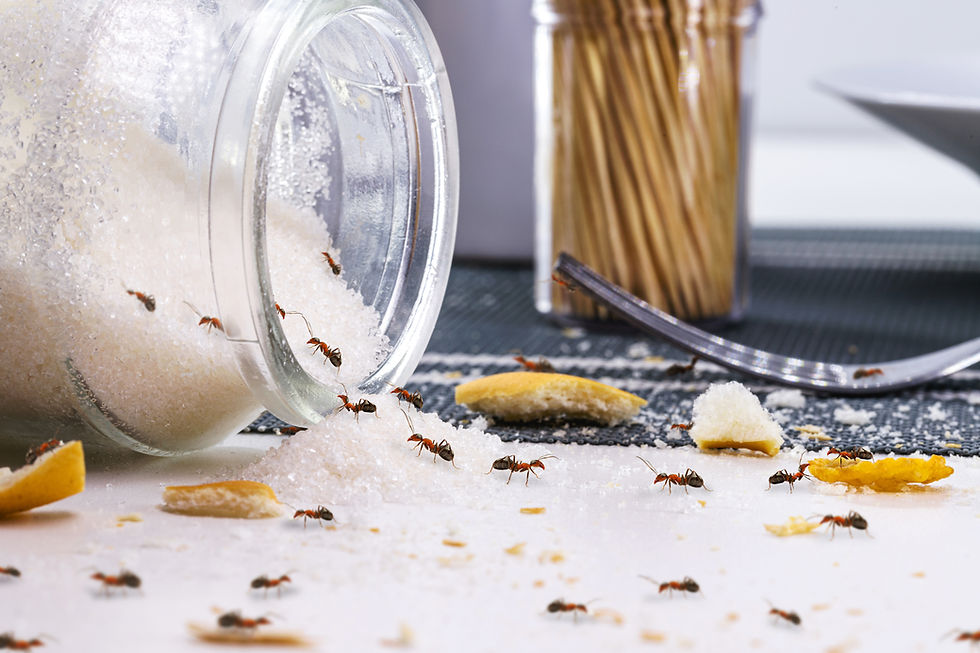
Understanding Do-It-Yourself Pest Solutions
Do-it-yourself pest solutions are all about taking control of your pest problems using methods and products you can manage on your own. It’s empowering and often cost-effective. But it’s not just about spraying chemicals willy-nilly. Effective DIY pest control requires knowledge, patience, and the right tools.
Here’s what I’ve found works best:
Identify the pest: Knowing exactly what you’re dealing with is half the battle. Different pests require different approaches.
Seal entry points: Pests love easy access. Check windows, doors, and cracks in your foundation.
Maintain cleanliness: Food crumbs and standing water are invitations for pests.
Use targeted treatments: Whether it’s bait traps, natural repellents, or insecticides, choose what fits your pest type.
Monitor and repeat: Pest control isn’t a one-time job. Keep an eye on the situation and act quickly if pests return.
If you want to dive deeper into effective strategies, check out this diy pest control resource for expert tips and advice.

Common DIY Pest Control Methods That Work
Let’s get practical. What are some of the best do-it-yourself pest solutions you can try right now?
1. Natural Remedies
Many pests hate certain smells and substances. Here are a few natural deterrents:
Peppermint oil: Great for repelling spiders and ants. Mix with water and spray around entry points.
Diatomaceous earth: A powder that damages the exoskeleton of insects like ants and cockroaches.
Vinegar: Use it to clean surfaces and disrupt ant trails.

2. Traps and Baits
For pests like rodents and cockroaches, traps can be very effective:
Snap traps for mice.
Glue boards for crawling insects.
Bait stations that attract pests and poison them safely.
3. Physical Barriers
Sometimes, the best defense is a good offense:
Screen vents and windows to keep flying insects out.
Door sweeps to block crawling pests.
Repair holes in walls and floors.
4. Chemical Treatments
If you choose to use pesticides, be cautious:
Read labels carefully.
Use only in targeted areas.
Keep children and pets away.
Follow safety instructions strictly.
What is the hardest pest to get rid of?
Some pests are notoriously stubborn. If you’ve ever battled termites, bed bugs, or cockroaches, you know what I mean. These pests have survival strategies that make them tough to eliminate.
Termites: They live hidden in wood and can cause serious structural damage before you even notice.
Bed bugs: These tiny bloodsuckers hide in mattresses, furniture, and cracks. They reproduce quickly and resist many treatments.
Cockroaches: They’re resilient, breed fast, and can survive harsh conditions.
For these pests, DIY methods might only get you so far. You can try:
Heat treatments for bed bugs.
Baiting and monitoring for cockroaches.
Regular inspections for termites.
But often, professional help is the safest bet to fully eradicate these invaders.
Preventing Pest Problems Before They Start
The best pest control is prevention. Here’s how to keep your home or business pest-free in Central Ohio:
Keep your property clean: Regularly remove trash and food waste.
Fix leaks: Pests love moisture.
Store food properly: Use sealed containers.
Maintain landscaping: Trim bushes and keep grass short to reduce hiding spots.
Inspect deliveries and packages: Pests can hitch a ride indoors.
Prevention saves you time, money, and stress. It’s easier to stop pests before they settle in.
When to Call in the Professionals
DIY pest control is great for minor issues and early detection. But sometimes, you need expert help. Here are signs it’s time to call a pro:
Persistent infestations despite your efforts.
Pests that cause structural damage (like termites).
Health risks from pests (like rodents or stinging insects).
Large-scale infestations in commercial properties.
Professional pest control services offer long-term solutions tailored to your property. They use advanced techniques and products that are safe and effective.
Taking control of pests yourself can be rewarding and effective. With the right knowledge and tools, you can protect your home or business from many common invaders. Remember, prevention is key, and knowing when to call in the pros will save you headaches down the road.
For more tips and expert advice on pest management, explore the diy pest control blog. Stay safe, stay pest-free!


Comments